Serving South Carolina Customers
Serving South Carolina with premium steel buildings for agriculture, commercial development, and residential use across the Palmetto State. Our project managers are ready to help with design, financing, concrete coordination, engineered building plans, and delivery — all built around your South Carolina project.
Cities We Serve in South Carolina
Service availability, concrete coordination, and financing vary by ZIP code. Contact us to confirm coverage in your area.
Common Uses in South Carolina
- Poultry, tobacco, and produce storage across the coastal plain and Pee Dee
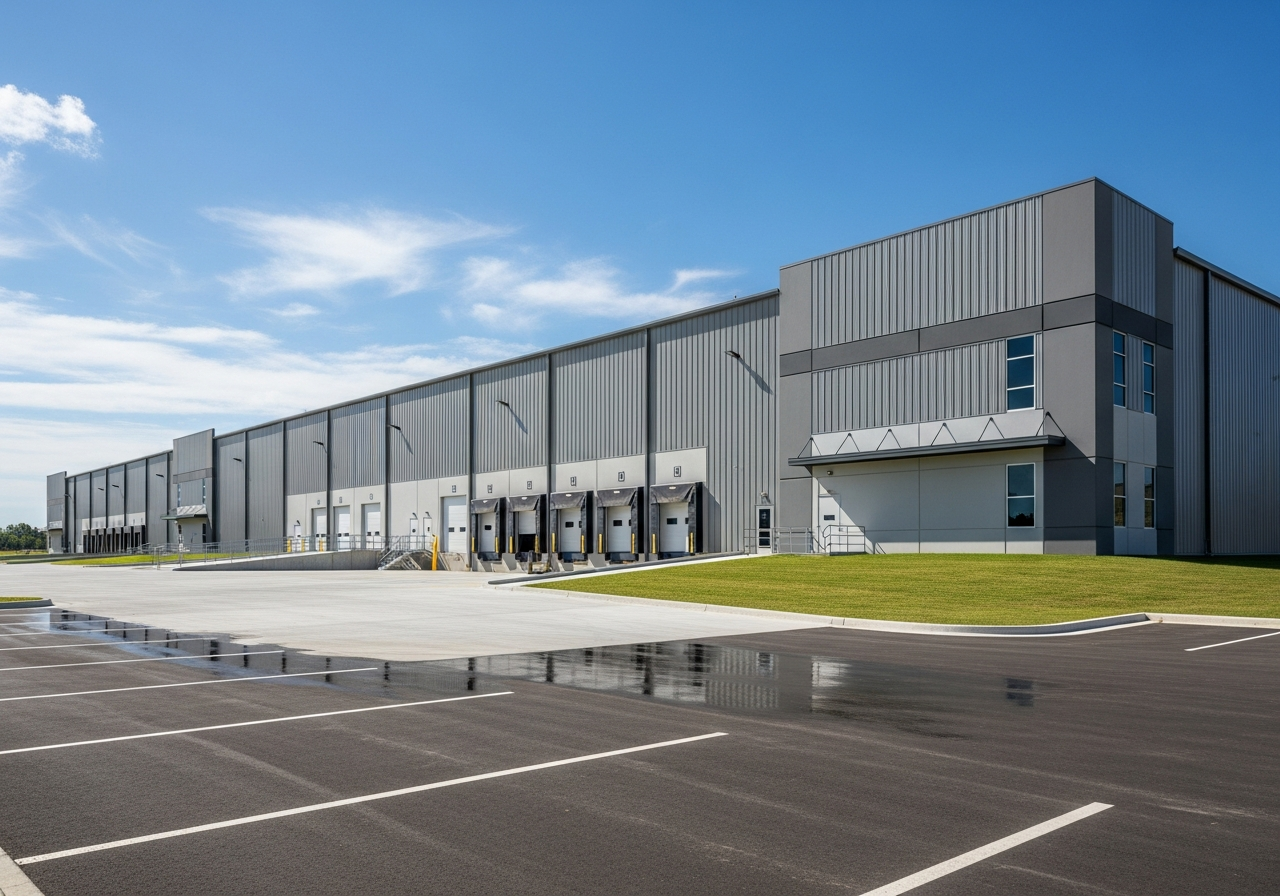
- Commercial and light industrial buildings in Greenville, Columbia, and Charleston
- Coastal structures requiring hurricane wind load engineering
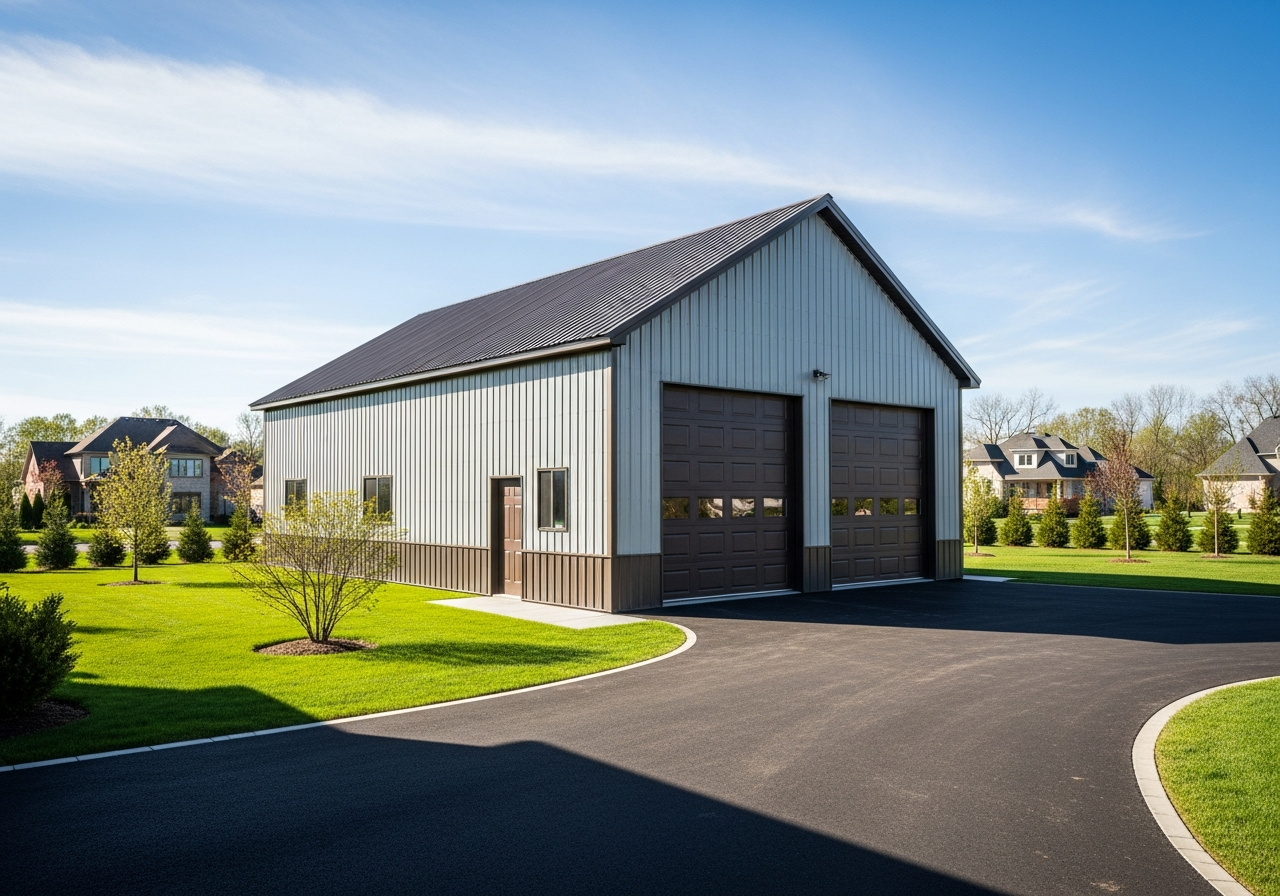
- Residential garages and rural workshops across the Midlands and Upstate
South Carolina Climate & Building Considerations
South Carolina has a subtropical climate with hot, humid summers and mild winters across most of the state. The Upstate (Greenville, Spartanburg) sees occasional ice storms and light snow. Coastal areas from Charleston to Myrtle Beach require hurricane wind load engineering. Ground snow loads are minimal statewide except in the Upstate. The combination of high humidity, coastal wind exposure, and warm temperatures makes steel's corrosion-resistant coatings particularly important for long-term durability in South Carolina.
South Carolina Permitting & Code Context
South Carolina adopts the South Carolina Building Code, based on the IBC. Building permits are issued by local counties and municipalities. South Carolina has an agricultural exemption for farm buildings used for agricultural purposes. The Charleston and Greenville-Spartanburg metros enforce full city codes. Hurricane-resistant construction is required along the coast under the South Carolina Coastal Zone Management Act. Site specific stamped plans are required for most commercial permitted structures.
Buildings We Offer in South Carolina
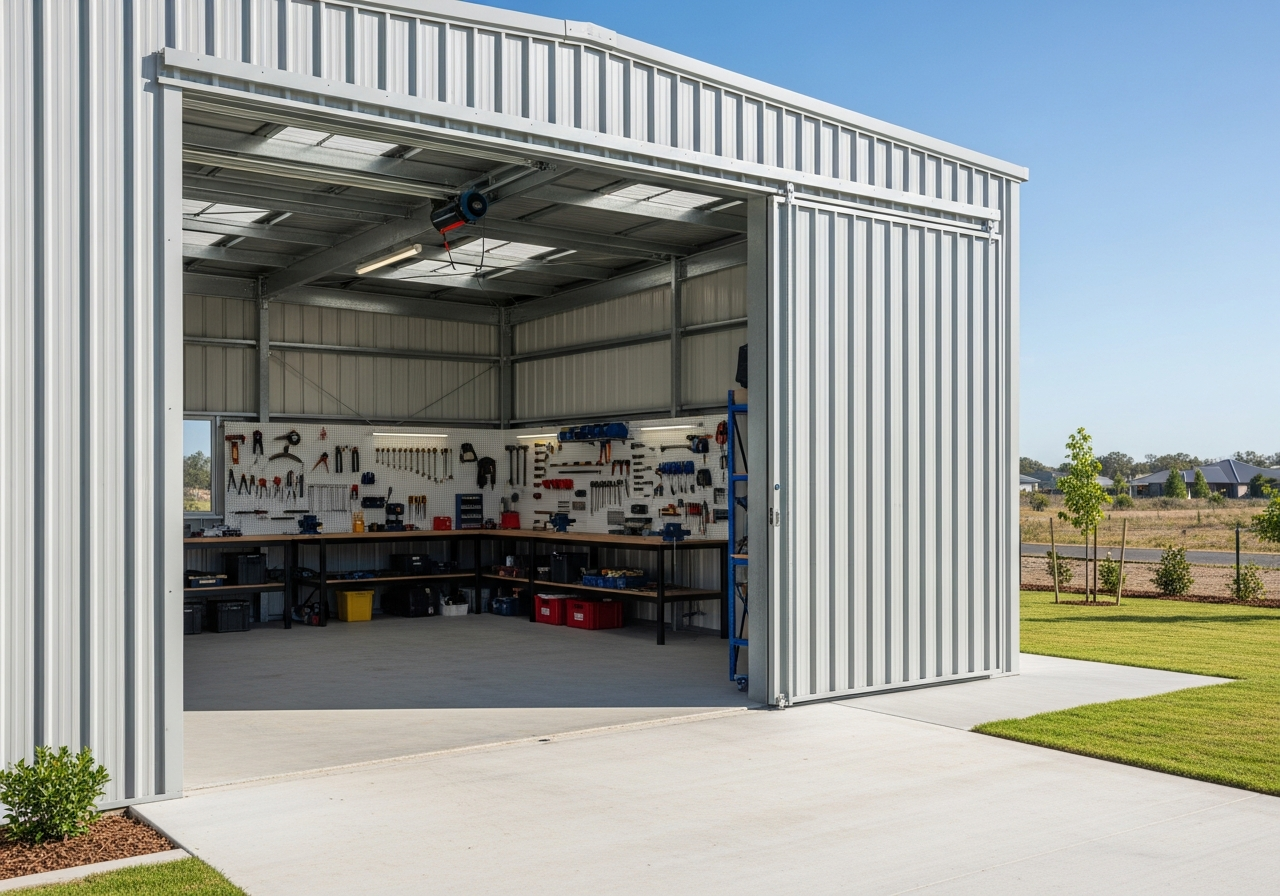
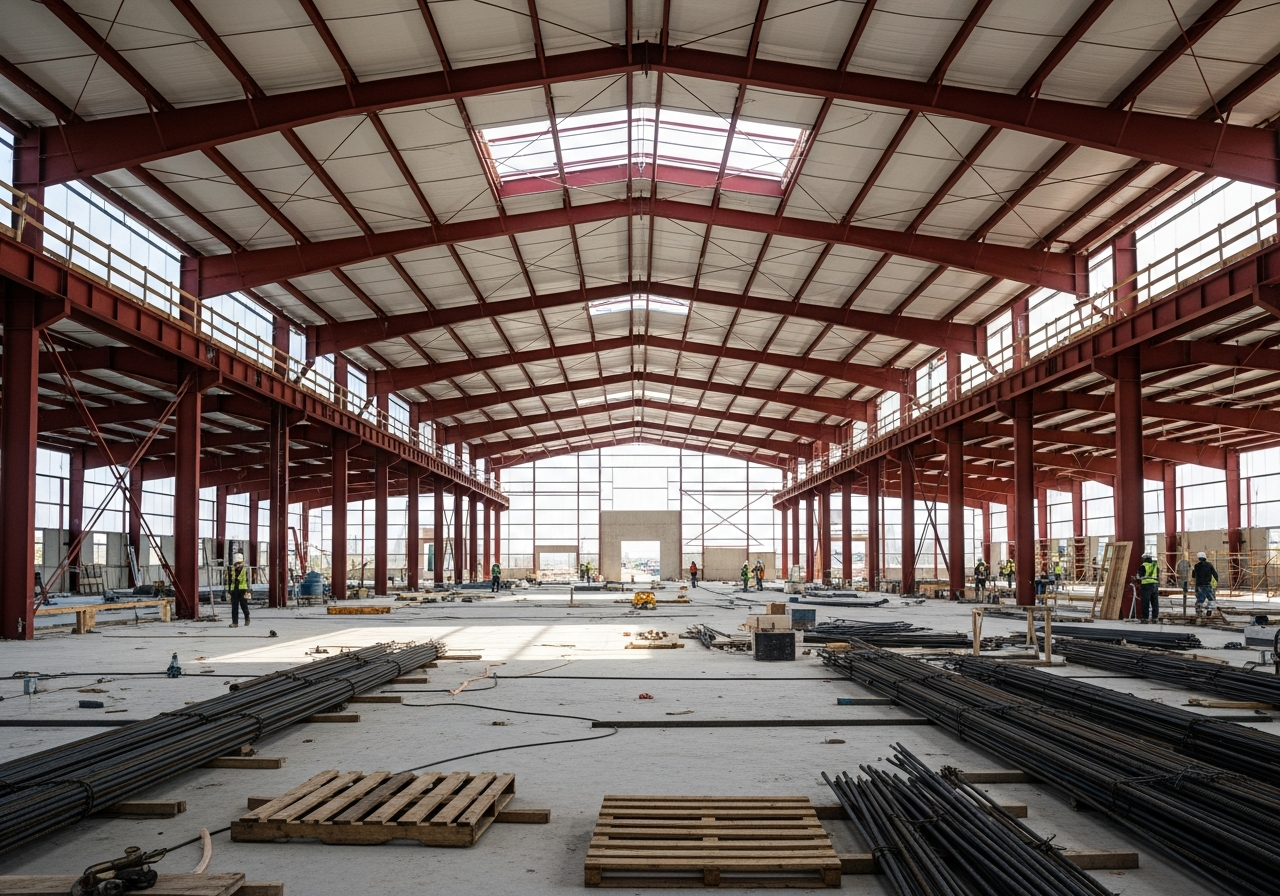
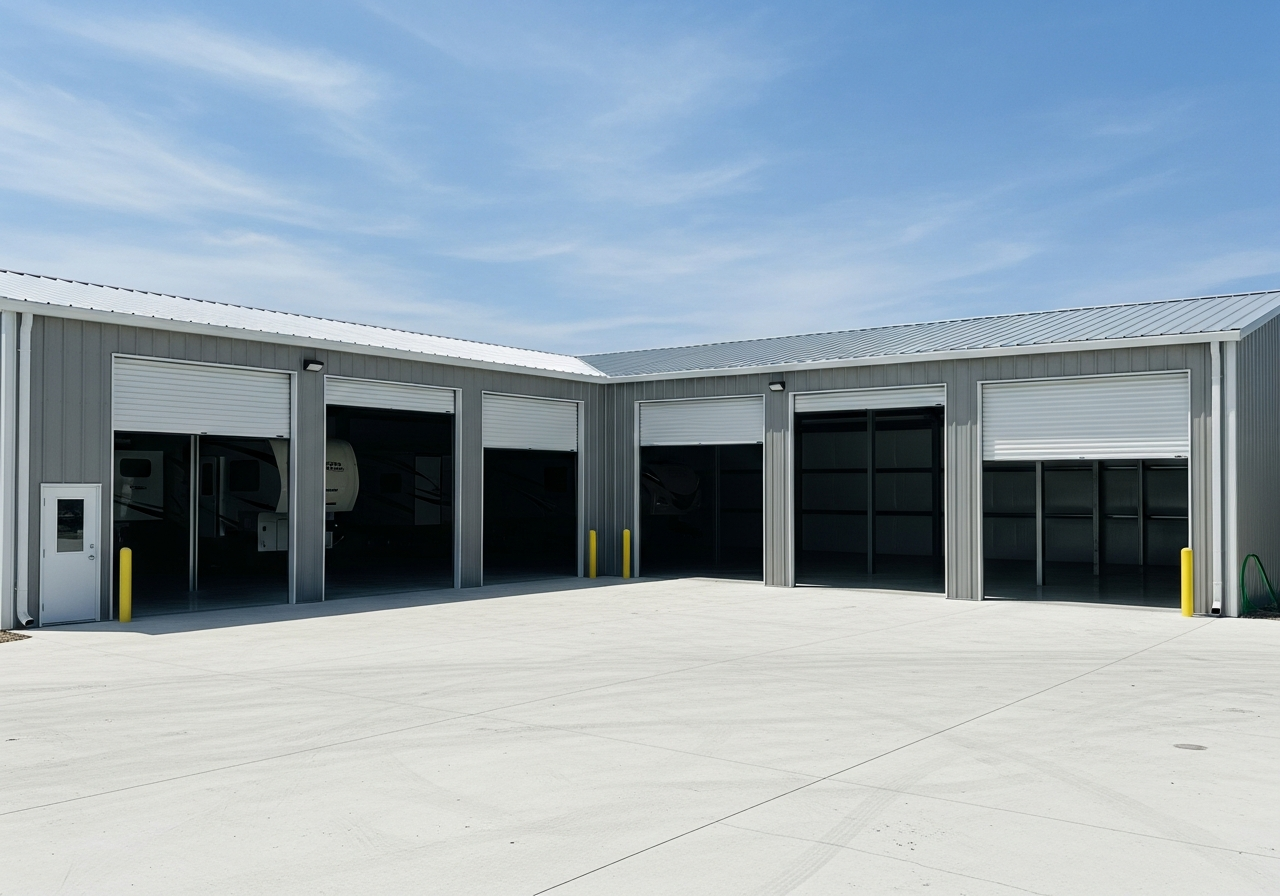
Click any building type to learn more and get a quote.
South Carolina Steel Building FAQ
Common questions from South Carolina customers about steel buildings, permitting, and our process.
What are you building?
Select the type that best matches your project.
Questions About South Carolina Coverage?
Call or text a real project manager — no call centers, no bots.