Serving West Virginia Customers
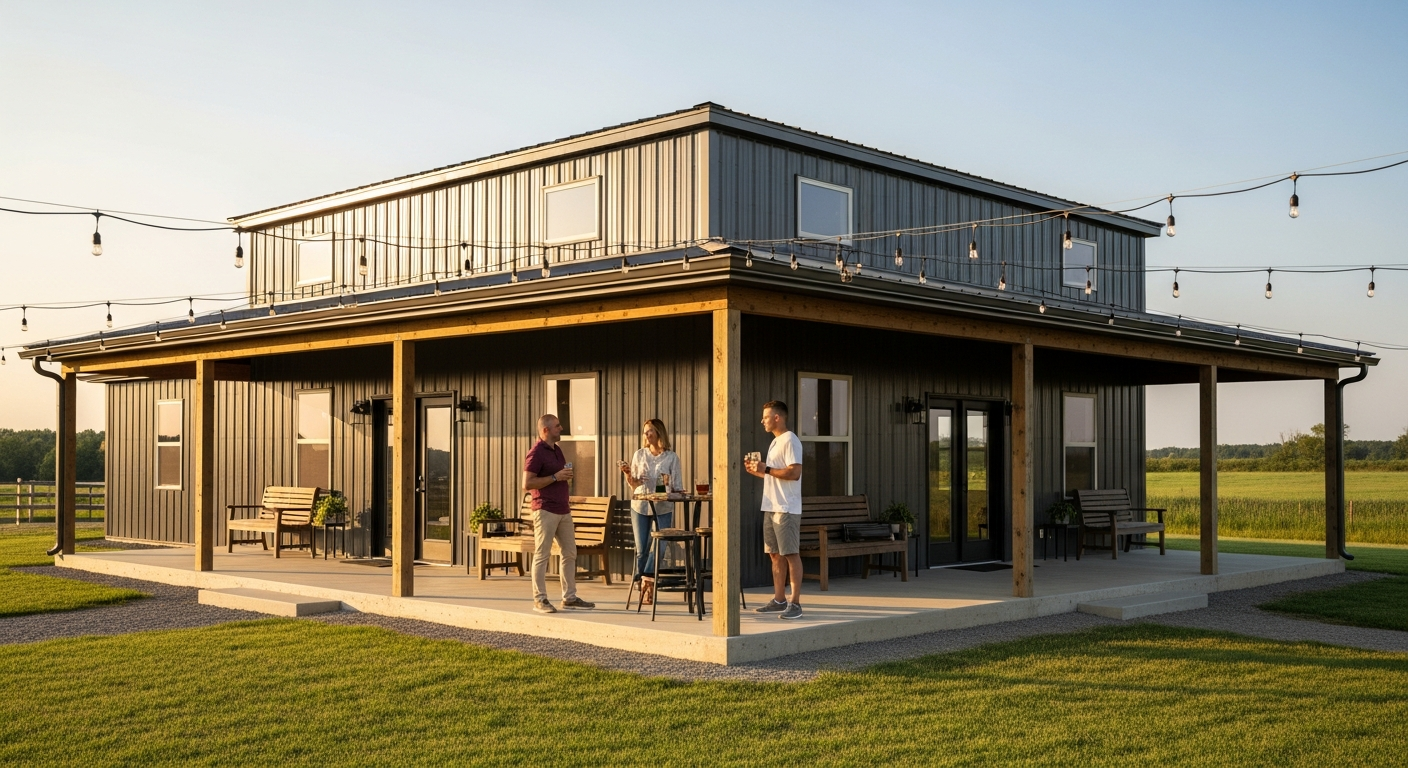
Steel buildings across West Virginia for agricultural storage, commercial use, and residential applications in the Mountain State's rugged terrain. Our project managers are ready to help with design, financing, concrete coordination, engineered building plans, and delivery — all built around your West Virginia project.
Cities We Serve in West Virginia
Service availability, concrete coordination, and financing vary by ZIP code. Contact us to confirm coverage in your area.
Common Uses in West Virginia
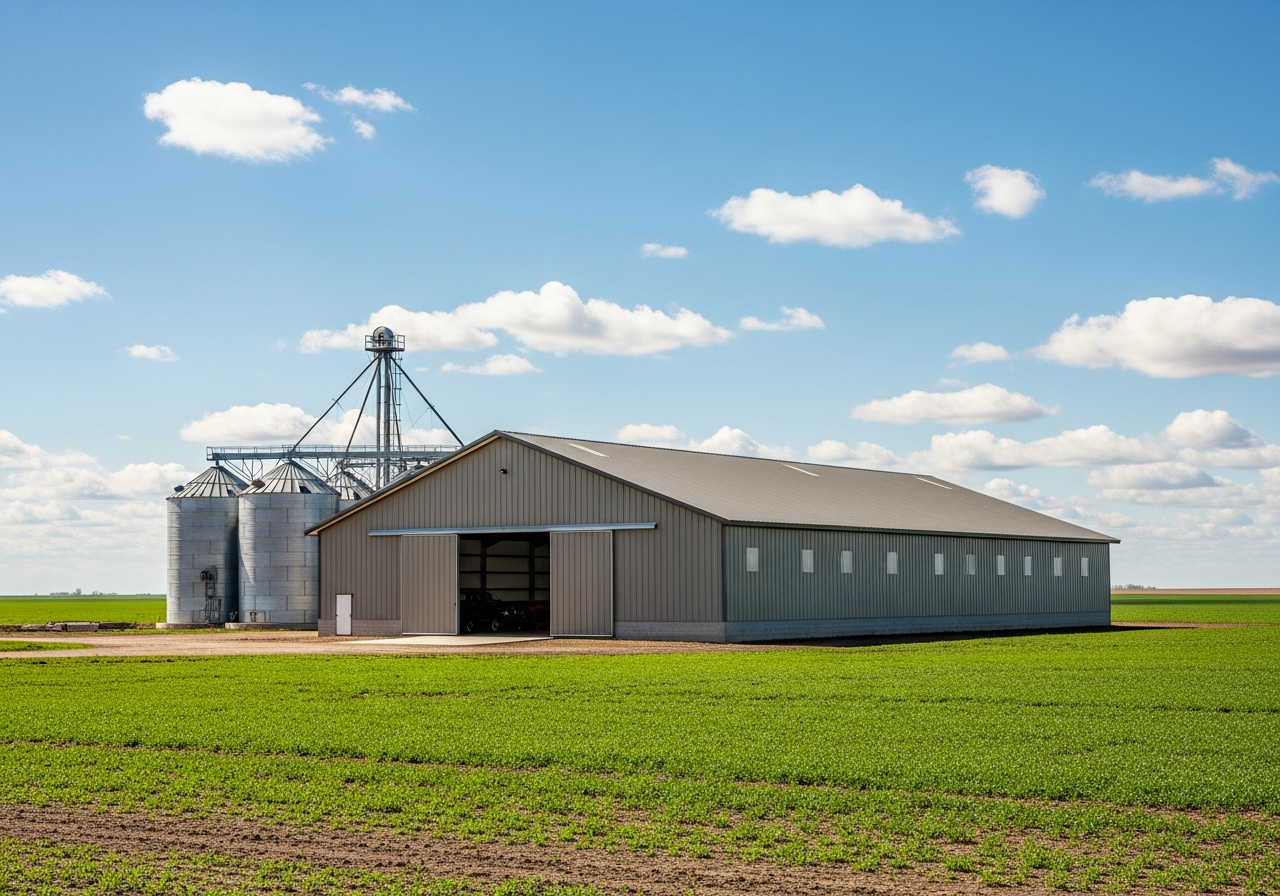
- Agricultural storage and livestock shelter across rural counties
- Commercial buildings in the Charleston and Huntington metro areas
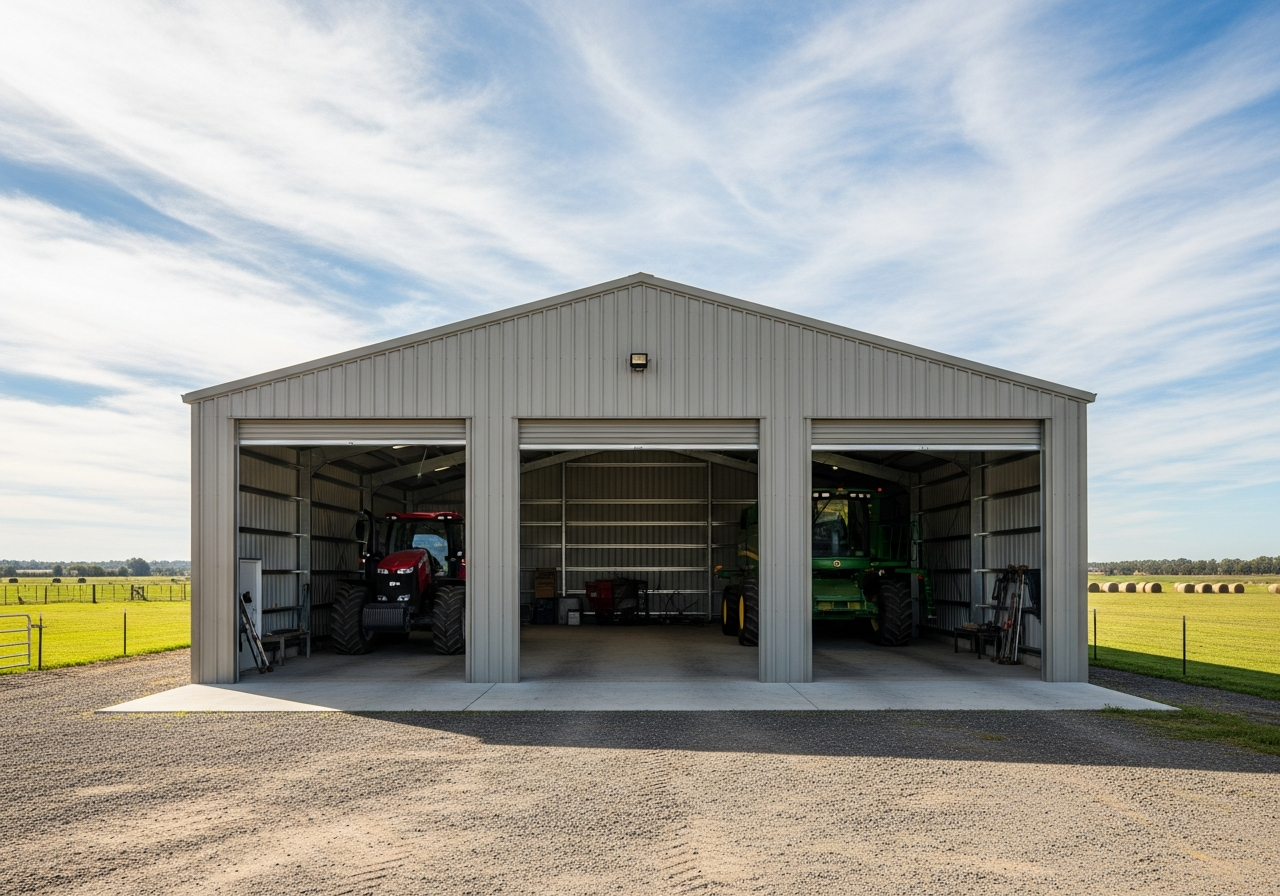
- Equipment and tool storage for energy sector operations
- Residential garages and rural workshops throughout the state
West Virginia Climate & Building Considerations
West Virginia's mountainous terrain creates variable and demanding climate conditions. Higher elevation areas — including the Allegheny Highlands in Pocahontas and Randolph counties — see substantial snow accumulations with ground snow loads of 40–70+ psf. Valley areas and the western panhandle have lighter snow loads but still experience significant ice storms and freeze-thaw cycles. Steel construction is well suited to West Virginia's rugged environment, handling the moisture, wind, and snow loads that come with mountain and valley conditions.
West Virginia Permitting & Code Context
West Virginia adopts the West Virginia Building Code, based on the IBC. Permit authority rests with local jurisdictions — counties and municipalities. Many rural West Virginia counties have limited building department infrastructure, and agricultural structures often face minimal permit requirements in those areas. The state's Energy Efficiency Standards apply to conditioned commercial structures. Site specific stamped plans are required for commercial projects.
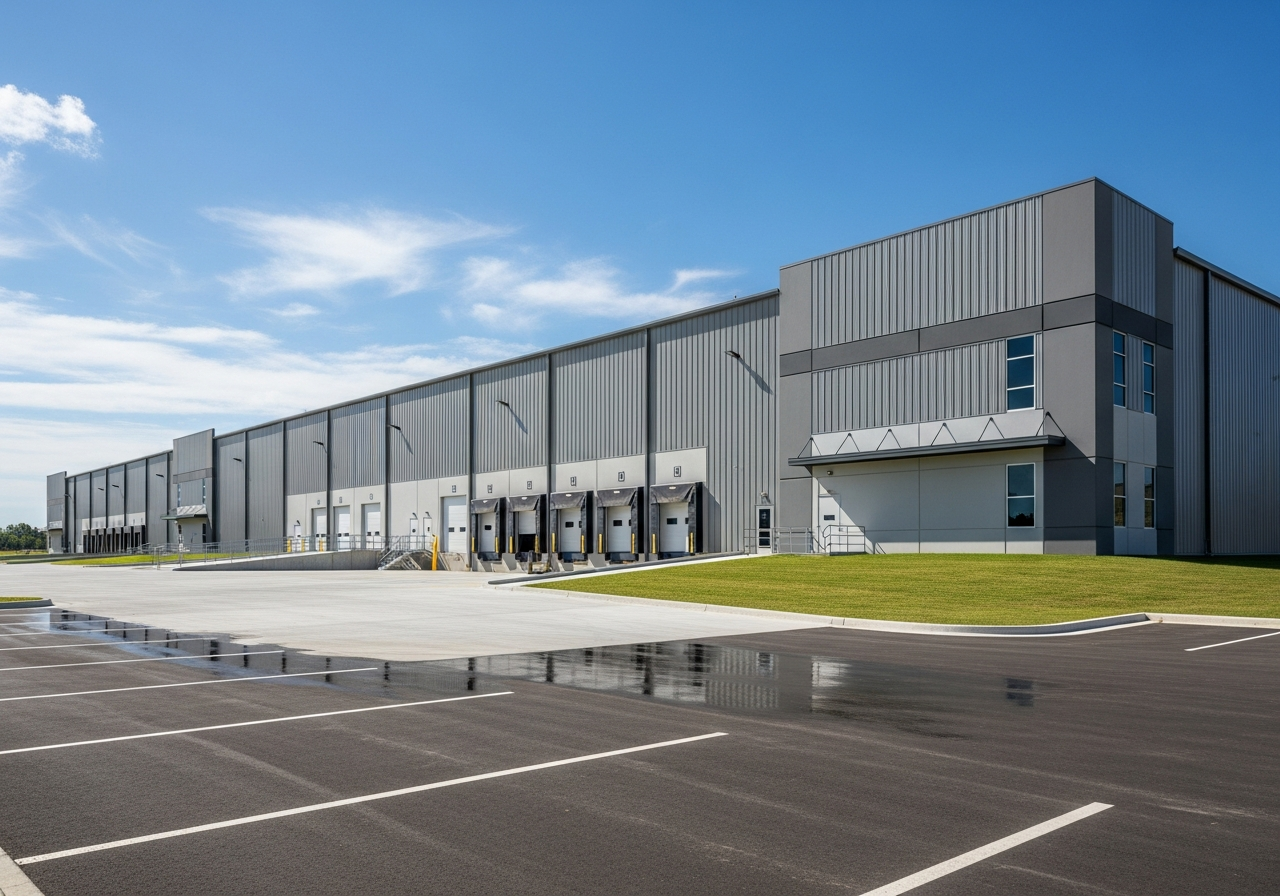
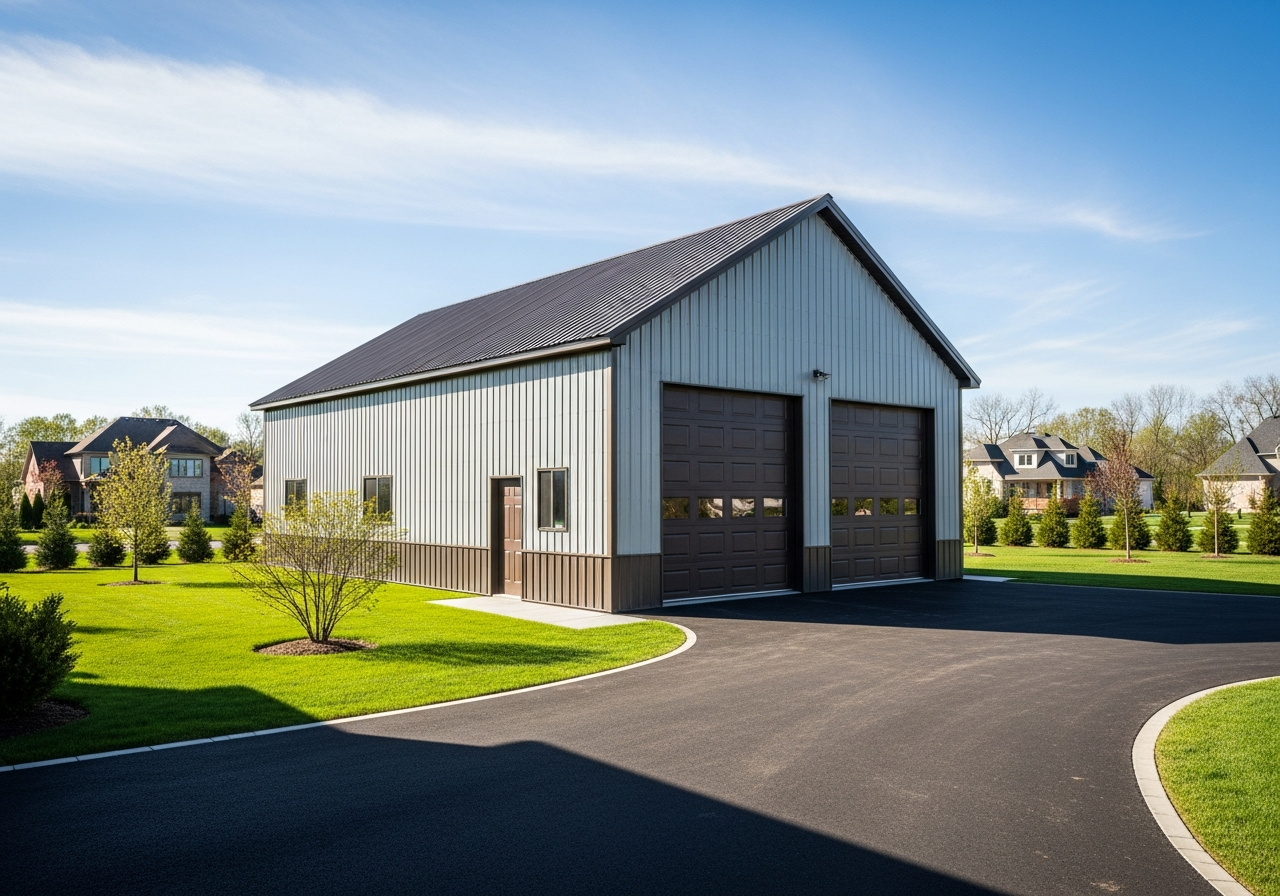
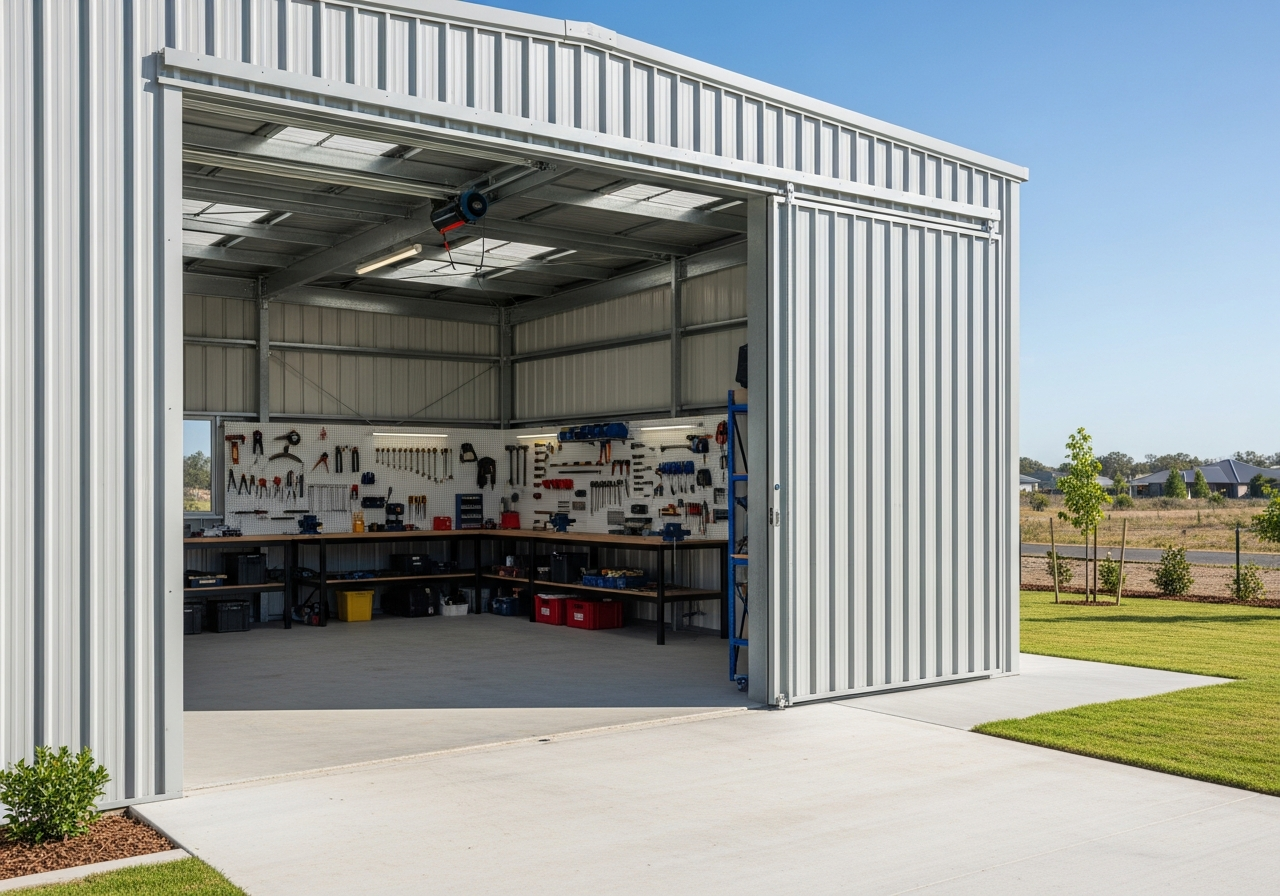
Buildings We Offer in West Virginia
Click any building type to learn more and get a quote.
West Virginia Steel Building FAQ
Common questions from West Virginia customers about steel buildings, permitting, and our process.
What are you building?
Select the type that best matches your project.
Questions About West Virginia Coverage?
Call or text a real project manager — no call centers, no bots.